

Stablecoins are now legal and regulated in Nigeria, but only for well-funded, locally licensed companies. On 5 November 2026, the Central Bank of Nigeria (CBN) issued the Regulations for the Operations of Non-Security Virtual Assets in Nigeria (the Regulations), through a circular from its Payments System Policy Department. The Regulations took effect immediately and set out, for the first time, how stablecoins and the businesses that issue, hold, swap or move them must operate.
This guide goes through the new CBN stablecoin rules in detail, with section references, so founders, investors, compliance teams and everyday users can see exactly where they stand.
The New CBN Stablecoin Rules in Brief
The new rules took effect on 5 November 2026, and they set a deliberately high bar. A company that wants to issue a naira stablecoin needs at least ₦10 billion in paid-up capital, while one issuing a dollar or other foreign-currency stablecoin needs ₦15 billion. Exchanges, wallet providers, custodians and payment firms need ₦1 billion. On top of that, issuers pay a ₦10 million application fee and ₦5 million every year to renew.
Once licensed, an issuer must keep every coin fully backed at all times, with an extra cushion of at least 2%, and must let holders cash out at face value, free of standard charges, by the end of the next business day. Paying interest or yield to holders is banned outright, and so are algorithmic and crypto-backed stablecoins. Platforms that let users swap naira for dollar stablecoins now need express CBN approval. Anyone caught operating without a licence faces a fine of at least ₦100 million, plus ₦1 million for every day it continues, while businesses already in the market have until 4 May 2027 to apply.
What Do the New CBN Stablecoin Rules Cover?
What counts as a stablecoin under Nigerian law
The Regulations define a stablecoin as a privately issued cryptographic token designed to keep a stable value against a reference asset, such as the naira or the US dollar. They sit inside a wider category called non-security virtual assets: tokens built mainly for payment, settlement or transfer of value rather than investment. That category also covers deposit money tokens, which are tokenised bank deposits issued by commercial banks, and any other token the CBN chooses to designate.
The CBN looks at what a token does, not what it is called. Classification turns on its economic substance, function and risks, so renaming a product or changing the technology behind it will not take it outside the rules.
Who the rules apply to
The Regulations apply to any regulated activity carried out in or from Nigeria, directed at people in Nigeria, or likely to have a material effect on the Nigerian financial system. A business based abroad is still caught if it serves Nigerian users. The regulated activities are broad: issuing, distributing, exchanging or converting tokens, fiat on- and off-ramps, custody and wallets, payments and settlement, payment infrastructure and the custody of reserve assets.
What falls outside the CBN stablecoin regulation
The rules do not cover the eNaira or any other central bank digital currency, tokens that count as securities (which stay with the SEC), ordinary e-money and stored-value products, closed-loop loyalty points and vouchers, and purely private transfers between two people with no platform in the middle.
How Nigerian Stablecoins Are Classified: Class 1, Class 2 and Prohibited Tokens
Every stablecoin offered in Nigeria now falls into one of three groups. Class 1 stablecoins reference the naira one-to-one and must be fully backed by naira reserve assets. Class 2 stablecoins reference the US dollar or another foreign currency. Everything else that calls itself a stablecoin but fails the tests is a prohibited token.
Systemic stablecoins
A stablecoin becomes systemic once its circulating supply exceeds ₦500 billion every day for 30 consecutive days, or once more than 5 million people in Nigeria hold or use it. The CBN can also designate a coin as systemic based on its volume, user concentration and share of Nigerian activity. Systemic coins face closer supervision, including stress tests twice a year.
Stablecoins that are banned in Nigeria
Section 2.2 bans algorithmic stablecoins, tokens backed mainly by other crypto, tokens linked to sanctioned persons, and any token marketed as a stablecoin without an enforceable right to redeem at par. The CBN can add to this list.
CBN vs SEC: Who Regulates Crypto in Nigeria Now?
The Regulations follow the 2026 Presidential Executive Order on virtual assets, which created a Virtual Asset Council to divide work between regulators. The CBN now leads on payment stablecoins, deposit tokens, fiat on- and off-ramps, payment custody and reserves. The SEC keeps security tokens, yield-bearing products, and listing and trading.
The Regulations set out simple tests. A token that gives holders a right to profit or interest, tracks the performance of a business, is marketed as an investment, carries governance rights or does not redeem at par looks like a security. A token with a fixed par value, unconditional redemption, no return to holders and a mainly payment use looks like a non-security virtual asset. Where classification is unclear, a business can ask the CBN for a classification opinion.
Exchanges that trade both types need approval from both regulators. An SEC licence or a token listing does not, on its own, authorise any payment use.
The Licence Routes Under Nigeria's Stablecoin Regulations
Section 6.2 sets out five licences and approvals, and section 2.1.1 adds a sixth, the Deposit Money Token Licence. Banks that tokenise deposits are dealt with separately under Part 10 and do not need an issuer licence for that alone. Licences cannot be transferred, and holding both a Class 1 and a Class 2 issuer licence needs prior written approval.
What you do decides which door you walk through. A company issuing a naira stablecoin applies for a Naira-referenced Issuer Licence (Class 1) and needs ₦10 billion in capital, while a company issuing a dollar or other foreign-currency stablecoin applies for a Foreign Currency Issuer Licence (Class 2) and needs ₦15 billion.
Service providers have three routes, depending on who already regulates them. A VASP that already holds an SEC licence applies for an Other Services Authorisation and must hold ₦1 billion on top of its SEC capital. A bank, payment service provider or other institution already licensed by the CBN applies for an Approval to Extend Permitted Activities, keeping its existing licence capital and adding a further ₦1 billion that cannot be counted towards it. Every other exchange, wallet, custody or payment business applies for an Other Services Licence backed by ₦1 billion. A bank that simply tokenises its own deposits takes a separate path, seeking approval under Part 10 and relying on its banking licence capital.
How to Get a Stablecoin Licence in Nigeria
The application and approval-in-principle
Applicants must incorporate a Nigerian company under CAMA 2020 before final licensing and keep a staffed physical office in Nigeria. The application package is substantial. It includes ownership and group charts, a three-year business plan, a whitepaper, two years of audited accounts, governance, risk and AML frameworks, a Travel Rule set-up, cybersecurity and wind-down plans, smart contract audits, customer terms and a reserve attestation engagement letter.
The CBN first grants an approval-in-principle, which is not a licence. Independent assessments of capital, governance, customer protection, AML and reserves, plus a Nigerian legal opinion on reserve segregation, go in with that application. Technology, payment security, continuity and redemption testing must be done before the final licence. Every assessment must be no more than six months old when submitted.
Stablecoin licence fees in Nigeria
Class 1 and Class 2 issuers pay a non-refundable ₦10 million application fee and ₦5 million each year to renew, plus examination costs. The CBN sets fees for other services separately. Paying the fee does not reduce any capital, liquidity or reporting obligation.
Fit and proper and governance requirements
Directors, senior managers, controllers and anyone holding 5% or more of the shares need prior CBN approval and must complete a fit and proper questionnaire covering ten years of work history, convictions, investigations, insolvency, net worth and source of funds. Sanctioned persons, people convicted of financial crimes and shell companies are excluded.
Issuers need a board of at least five, including two independent non-executive directors. Every licensee needs a Chief Compliance Officer and a Money Laundering Reporting Officer resident in Nigeria, with full access to customer and transaction data, including data held offshore. Changes of ownership, control or business model need prior written approval.
Capital Requirements for Stablecoin Issuers and VASPs in Nigeria
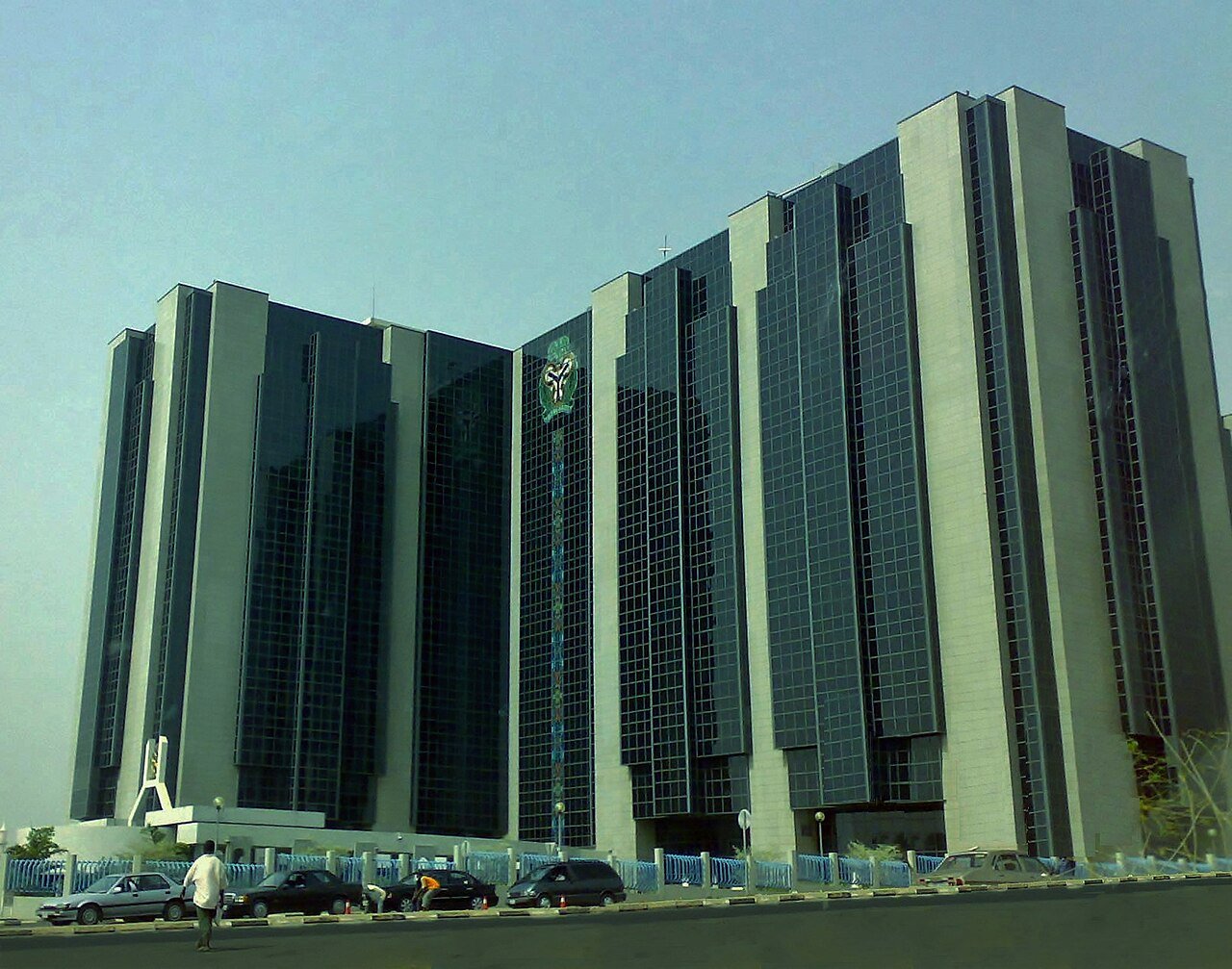
Sections 15 and 16 set minimum paid-up capital at ₦10 billion for Class 1 issuers, ₦15 billion for Class 2 issuers and ₦1 billion for other service providers. These are floors, and the CBN can demand more based on risk. The full amount must be paid in and evidenced before the final licence is issued.
How the capital must be held
Capital must be held as cash with the CBN or as approved securities under a lien in the CBN's favour. It must stay separate from reserves and operating liquidity, so the same money cannot count twice. Issuers must also hold liquid assets covering the higher of six months' projected operating costs or the cost of an orderly wind-down. Any capital shortfall must be reported immediately, with a restoration plan within ten business days.
The ₦10 billion floor for naira stablecoins has drawn criticism. Technext24 argues that because these coins are already 100% reserved, the extra capital duplicates protection and could leave naira stablecoin issuance mostly to banks.
Operational liquidity for dollar stablecoin issuers
Class 2 issuers must also keep separate operational liquidity in Nigeria equal to the highest of US$10 million, 15% of their Nigeria-linked liabilities, or enough to meet 30 days of stressed Nigerian redemptions. It must sit with at least two independent institutions, with no more than 50% at any one, and any shortfall must be fixed within three business days. TheCondia's breakdown shows how this test plays out for global issuers.
Rules for Foreign Stablecoin Issuers Like Tether and Circle
A dollar stablecoin can only be offered to Nigerians through a Nigerian-incorporated company holding a Class 2 licence. A licence from another country is not a substitute, and each token also needs its own approval. The Nigerian entity can be backed by a foreign parent, but it stays fully responsible, must be able to follow CBN directions without waiting for offshore approval, and must give the CBN unrestricted access to its books, systems, reserves and relevant group information. Distribution is limited to licensed distributors, and Nigerian banks act as redemption agents.
Stablecoin Reserve Requirements in Nigeria
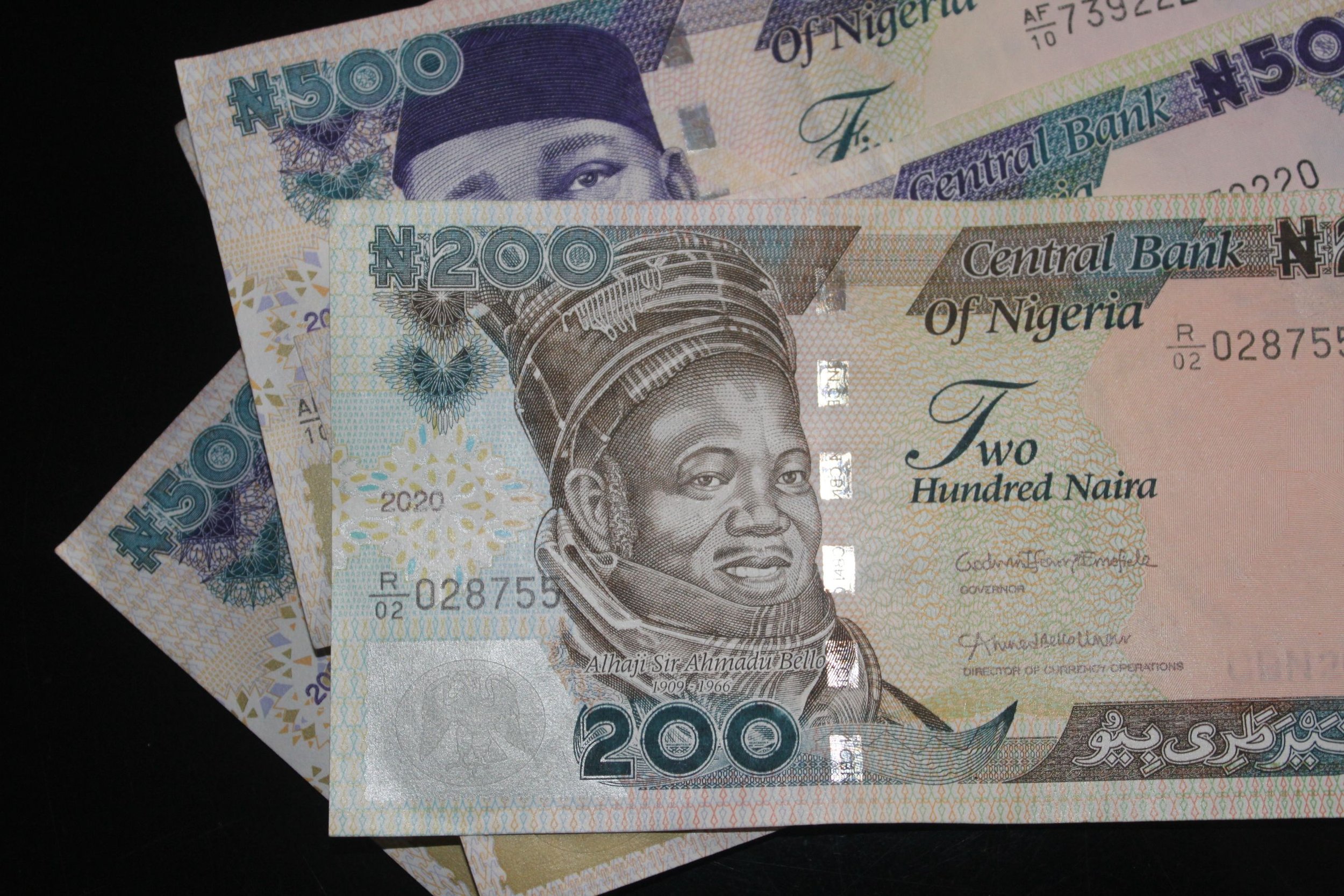
Under section 24, reserves must back every coin in circulation one-to-one at all times, with an extra buffer of at least 2% funded from the issuer's own money. New coins can only be minted once matching reserves are in place. Reserves must be legally separated from the issuer's own assets and held on trust for holders, who rank first if the issuer fails. They cannot be lent, pledged, staked or used to fund operations.
Reserve composition for naira stablecoins
For naira stablecoins, the Regulations spell out exactly where the money must sit. At least 20% of the reserve pool must be kept in a dedicated, interest-free reserve deposit account at the CBN. The CBN can see this account in real time, and if the issuer collapses, the balance goes to holders before anyone else. On top of that, at least 40% must be held in cash or high-quality liquid assets, so a large share of the reserves can be turned into naira at short notice. The rest, up to 40%, can go into other eligible assets: treasury bills of up to 90 days, FGN bonds with no more than 180 days to maturity, and naira money market funds, which are capped at 10% of the reserves.
The rules also stop issuers from putting all their eggs in one basket. No single bank may hold more than 30% of the reserves, the money must be spread across at least three banks, and no single investment counterparty may hold more than 40%.
Reserve rules for dollar stablecoins
Class 2 reserves must be held in the reference currency as cash deposits, sovereign securities of up to 93 days or overnight repos. There is no fixed share that must be held in Nigeria.
Daily reconciliation and monthly attestation
Issuers reconcile reserves daily. An approved independent auditor must attest to the reserves every month under ISAE 3000, and the report is published within 15 business days of month-end. Issuers must also alert the CBN if their coin trades more than 1% off its peg for 30 minutes, or more than 2% at any time.
Redemption Rights: Can You Always Cash Out a Stablecoin at Par?
Yes. Section 23 gives holders an absolute, legally enforceable right to redeem at par. Payment is due by the end of the business day after a valid request, extendable to five business days only in a CBN-recognised stress event. Standard redemptions are free, and any charge for non-standard settlement cannot exceed actual cost.
An issuer can only pause redemptions under a court order, a CBN directive, a documented technical failure fixed within 24 hours, or a systemic-coin instruction. It must tell the CBN within one hour, publish a notice, process pending requests in order and cannot extend the pause past 48 hours without written approval.
Ban on Interest and Yield for Stablecoin Holders
Issuers cannot pay, offer, arrange or facilitate interest, yield, dividends or any other return simply for holding a stablecoin, and they cannot use third-party providers to get around the ban. The penalty is twice the amount paid. Stored-value providers are also barred from paying interest on stablecoin balances.
P2P Crypto Trading Rules in Nigeria
Section 10 covers platforms that match buyers and sellers. There is no standalone P2P licence. A platform needs an underlying licence, authorisation or extension approval, plus express CBN approval for its P2P service, which lists the tokens it may support.
Users must complete KYC before trading. Before releasing tokens, the platform must check that the name and BVN on the naira account match the verified customer. Naira payments must go through a CBN-permitted Nigerian bank or payment channel, escrowed assets must be safeguarded, and both legs of every trade must be reconciled. Business users face enhanced checks, limits and reporting. P2P approval is not permission to carry on FX business.
Can you still buy USDT with naira?
Yes, but only through approved channels. Swapping naira for a Class 2 stablecoin such as USDT needs specific CBN approval, settlement through or reporting to a designated authorised dealer, FX reporting, and compliance with set purposes, limits and documents. Splitting trades to dodge limits or reporting is prohibited, and cross-border P2P needs separate approval.
Using Stablecoins for Payments and Cross-Border Transfers
Only tokens approved for payment use can be used to pay for goods and services, and only through a licensed provider. Cross-border stablecoin transactions are treated as FX transactions. Import payments still need a valid Form M, inbound personal remittances must go through a licensed IMTO, and settling foreign obligations in crypto is banned unless the CBN approves.
Two points stand out for exporters and investors. Export proceeds held on-chain do not count as repatriated until they are redeemed or converted and credited to a domiciliary account. Foreign investment received in stablecoins does not qualify for a Certificate of Capital Importation until it is converted into naira through an authorised dealer. The CBN can also suspend or cap naira-to-stablecoin conversions at any time.
Wallet, Custody and Technology Requirements
Custodians must keep customer assets separate, track each customer's entitlement, secure private keys with strict access controls, and keep an orderly plan for returning assets. Client assets can never be used to pay the provider's own creditors. Transfers to self-hosted wallets above the threshold need proof of ownership, such as a message-signing or micro-transfer test.
Issuers' smart contracts must support freezing, burning, deny-listing, upgrades and pausing, and each use of freeze, block or burn must be reported within 24 hours. Contracts need at least two independent audits before launch, the CBN must get 30 days' notice before a new network or bridge is used, penetration tests are yearly, and issuance and redemption cannot be down for more than four hours a quarter.
AML/CFT and Travel Rule Requirements for Crypto Businesses in Nigeria
Anonymous accounts are banned. Customer due diligence applies at onboarding and for one-off transactions of US$1,000 or more, and individuals must be verified with their NIN or BVN, address and source of funds. Transactions must be monitored with blockchain analytics, suspicious transaction reports go to the NFIU within 24 hours, and assets of sanctioned persons must be frozen without delay.
The Travel Rule applies in full to transfers of US$1,000 or more, using a recognised standard such as IVMS101. If the required information cannot be sent, the transfer must not go ahead. Records are kept for at least five years.
Consumer Protection and Disclosure Rules
Stablecoins cannot be presented as bank deposits or as covered by NDIC insurance, and a CBN licence cannot be advertised as an endorsement or guarantee. All promotions must be fair, clear and not misleading. Each token's whitepaper must be approved by the CBN before issuance. Complaints must be acknowledged within two business days and resolved within 20.
Penalties Under the CBN Stablecoin Rules
Section 51 sets administrative penalties, and businesses get 15 business days to respond before a penalty is finalised. The CBN can also restrict minting, demand more capital, appoint a monitor at the firm's cost, suspend or revoke a licence on 30 days' notice, and publicly name a firm.
The fines are steep enough to sink a small operator. Running a virtual asset business without a licence attracts at least ₦100 million, plus at least ₦1 million for every day the breach continues. An issuer that lends, pledges or otherwise ties up its reserves faces between ₦250 million and ₦500 million for each breach. Lapses in anti-money laundering checks, customer due diligence or the Travel Rule cost at least ₦50 million per breach, and the firm must also make good any loss. Paying interest or yield to holders is punished with a fine of twice the amount paid, while fraudulent misrepresentation carries at least ₦500 million and a referral for criminal prosecution.
CBN Stablecoin Compliance Deadline for Existing Operators
Section 54 gives businesses already operating a transition window, counted from 5 November 2026. As Leadership reports, operators may keep running during this period, but only at their existing scale and under interim conditions. Anyone who misses the application deadline must stop.
Some obligations bite straight away. The anti-money laundering, counter-terrorist financing and counter-proliferation financing rules have applied since 5 November 2026, with no grace period. Existing operators then have 30 days, until 5 December 2026, to register with the CBN, and 60 days, until 4 January 2027, to start filing supervisory reports. The final and most important deadline is 180 days, by 4 May 2027, to submit a complete licence application, including any approval needed to keep running a P2P service.
Existing dollar stablecoin arrangements will be assessed against the Class 2 rules, and keeping access during that review needs the CBN's express interim permission.
What the New Rules Mean for P2P Traders, Fintechs and Everyday Users
P2P and OTC traders who swap naira for USDT face the biggest changes, because the platforms they use now need a licence, specific approval and an authorised dealer in the chain. Smaller fintechs may struggle with the capital and compliance load, and many are expected to merge with or partner with licensed players. Global issuers must decide whether Nigeria justifies a ₦15 billion local entity.
For everyday users, the coins should become safer. Full reserves, monthly attestations, par redemption and first-ranking claims on reserves give holders protections they did not have before. The trade-off is fewer providers, tighter KYC and possible limits on how much naira can be converted.
What Crypto Businesses Should Do Now
If you already operate in Nigeria, the first priority is the 5 December 2026 registration deadline, followed by reporting from January. Next, map each product against the Regulations to confirm which licence route applies, whether any part of it falls under the SEC, and whether any feature, such as yield or naira-to-USDT swaps, now needs approval or must change. Founders should then plan the capital, the Nigerian entity, the resident compliance officers and the independent assessments, since these take time to put in place. We track updates like these on GoKiet, our regulatory intelligence app, so you can follow each new CBN circular as it lands.
Frequently Asked Questions About the New CBN Stablecoin Rules
Are stablecoins legal in Nigeria now?
Yes. Since 5 November 2026, stablecoins are legal and regulated in Nigeria, but only licensed issuers and service providers can offer them to Nigerians, and algorithmic or crypto-backed coins remain banned.
Is P2P USDT trading still legal in Nigeria?
P2P trading is not banned, but any platform that facilitates it needs a CBN licence and express P2P approval. Naira-to-USDT swaps also need specific approval and must run through an authorised dealer. Purely private trades between two people with no platform involved fall outside the rules.
How much capital do I need to start a crypto exchange in Nigeria?
The CBN requires at least ₦1 billion in paid-up capital for exchanges, wallets and other service providers. If you also need an SEC licence, that capital is in addition to what the SEC requires.
Do Tether and Circle need a CBN licence to operate in Nigeria?
Yes. Foreign stablecoin issuers must serve Nigerians through a licensed Nigerian company with at least ₦15 billion in paid-up capital, separate operational liquidity of at least US$10 million, and CBN approval for each token.
When is the CBN stablecoin compliance deadline for existing operators?
Existing operators must register by 5 December 2026, start reporting by 4 January 2027 and submit a full licence application by 4 May 2027.
Can stablecoin platforms in Nigeria still offer yield or interest?
No. Issuers cannot pay or arrange any return for simply holding a stablecoin, and the penalty is twice the amount paid. Yield-bearing products fall under the SEC instead.
What is the penalty for running an unlicensed crypto business in Nigeria?
A fine of at least ₦100 million, plus at least ₦1 million for every day the breach continues, alongside other enforcement action.
Can a startup partner with a licensed stablecoin issuer instead of getting its own licence?
Partnerships are likely to become common, but they do not remove the need for approval in every case. If a startup itself offers exchange, custody, wallet, payment or P2P services to Nigerians, it will usually need its own licence or authorisation.
Need Help With the CBN Stablecoin Rules?
Whether you are launching a stablecoin, running an exchange or P2P desk, or weighing a partnership with a licensed issuer, our Startups & Venture team can help you work out which licence route applies and what to fix before the deadlines.
This article is for general information only and is not legal advice. If you have more questions about how the CBN stablecoin rules apply to you, please reach out to us.
